Are Rotary Drum Filters Really the Best Choice for Koi Ponds?
- A Closer, More Practical Look
Rotary drum filters (RDFs) have gained a reputation as the “top‑tier” filtration option for koi ponds. Many hobbyists come to us believing that a drum filter is not only the best choice, but the only filter they will ever need. And it’s easy to see why — drum filters are clever, efficient, and impressive pieces of engineering.

Originally developed for municipal water treatment and later adopted by commercial fish farms, drum filters excel at removing large amounts of waste before it reaches the rest of the filtration system. In commercial settings, this early removal allows farmers to safely increase stocking densities and maintain stable water quality.
As this technology has made its way into the koi hobby, it has brought real benefits. But it has also brought some misconceptions. Drum filters can be excellent tools, but they are not without limitations — and they are not automatically the best fit for every pond.
A balanced look helps koi keepers make informed decisions rather than relying on hype or assumptions.
Why Drum Filters Are So Appealing

1. Automatic Waste Removal
The biggest advantage of a drum filter is its ability to remove debris before it reaches the biological filter. This early mechanical filtration can increase the overall capacity of the system and, in some cases, allow for higher stocking levels.
2. Reduced Routine Maintenance
Because the drum cleans itself using automated spray jets, owners don’t have to rinse pads or backwash a filter as often. For many hobbyists, the idea of “less work” is extremely attractive.
These benefits are real — and they explain why drum filters have become so popular. But they don’t tell the whole story.
Important Considerations Before Choosing a Drum Filter
Even though drum filters perform well, they come with several practical realities that many pond owners don’t learn about until after installation.
1. A Drum Filter Is Only a Pre‑Filter
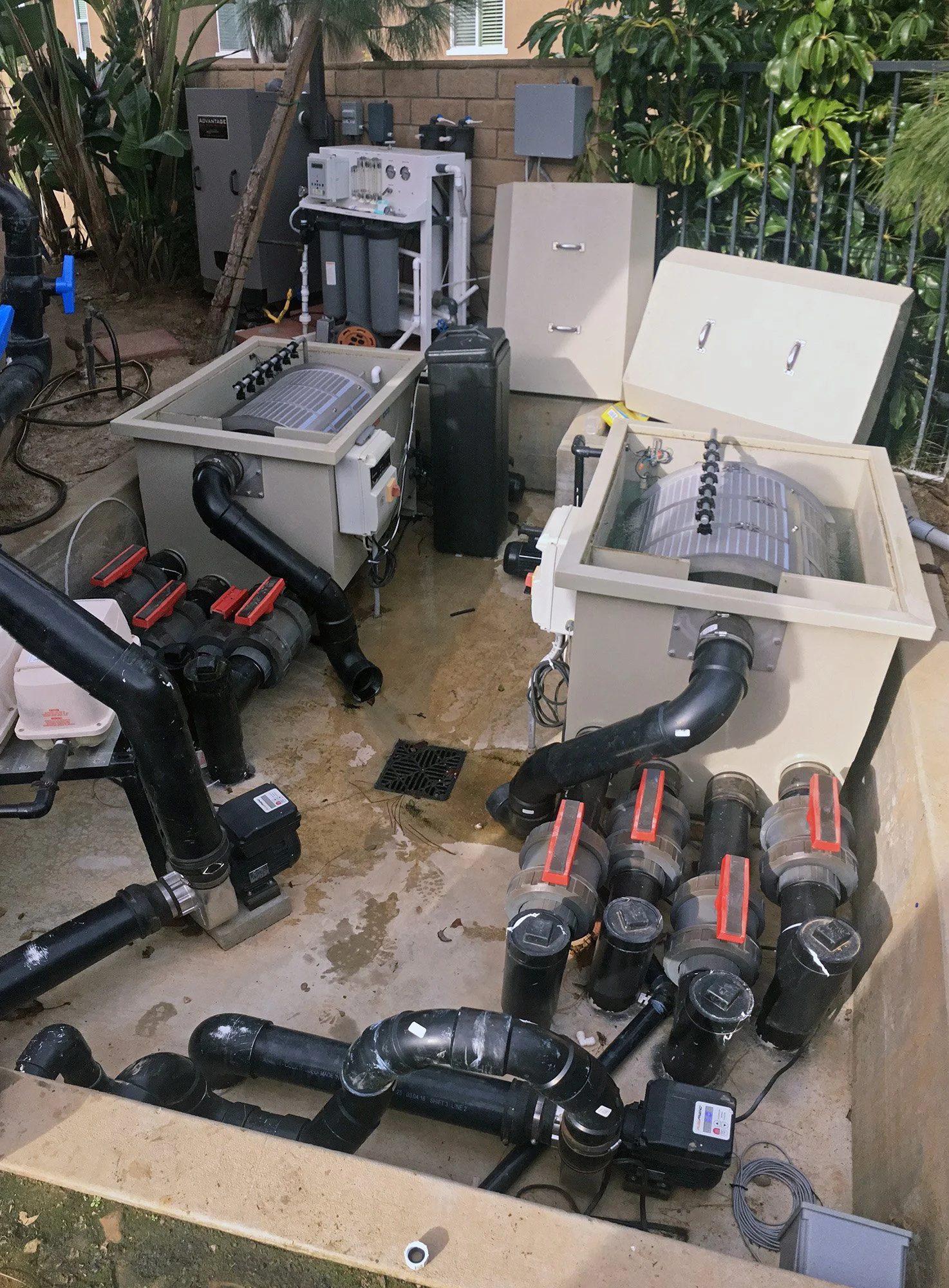
Despite the perception that a drum filter is a complete solution, it actually handles only the first stage of filtration. You will still need:
A biological filter
Often an additional polishing filter for fine particles
A pump
A UV light
This can significantly increase the total system cost.
2. Water Usage During Cleaning
Drum filters rely on high‑pressure jets to rinse the screen. If your pond produces a lot of debris, these cleaning cycles can happen frequently and use a noticeable amount of water. In areas with water restrictions or high water costs, this becomes an important factor.
3. Noise
The cleaning cycle can be louder than many people expect. If the filter is located near a patio or seating area, the sound of the spray jets may be disruptive.
4. Gravity‑Flow Installation Challenges
Drum filters are designed for gravity‑flow systems, which require:
4‑inch bottom drains
Precise equipment elevation relative to pond water level
Careful planning to avoid line blockages
Because water moves slowly through 4‑inch pipes, debris can settle and eventually clog the line. Once that happens, gravity alone may not be enough to clear it.
5. Mechanical and Electronic Complexity
A drum filter depends on multiple components working together:
A motor
A high‑pressure pump
Spray jets
A solenoid valve
A control board
A fine screen
Any of these parts can fail. While routine maintenance may be reduced, the maintenance that does occur can be more technical and more expensive than with simpler systems.

So, Is a Drum Filter the Best Choice for Every Pond?
Drum filters are impressive and can be extremely effective in the right situation. But they are not a universal solution, and they are not automatically the best choice for every koi keeper.
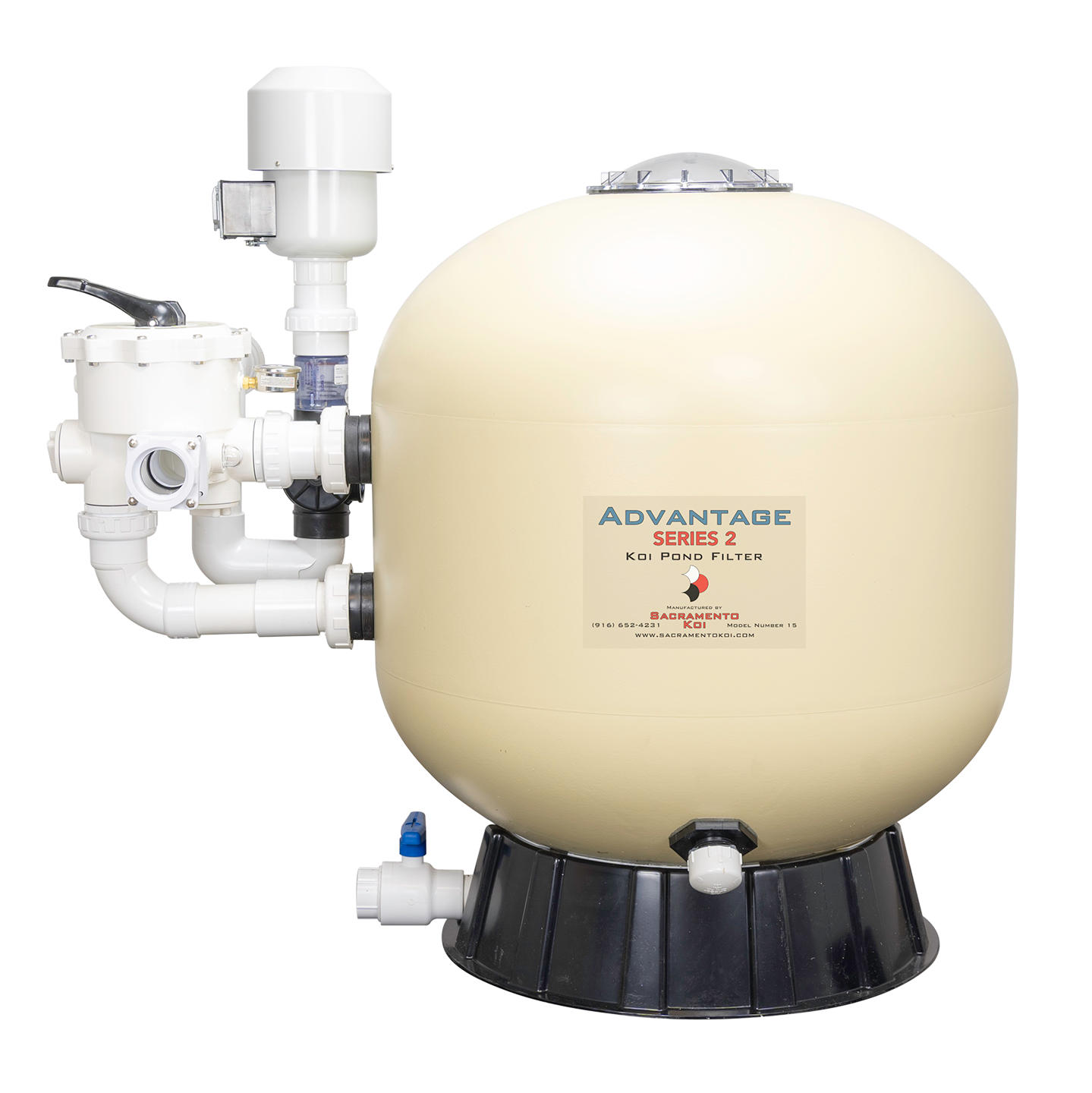
For many ponds, a well‑designed pressurized system with a bead filter provides everything the owner needs:
Excellent water clarity
Reliable biological filtration
A simpler installation
Lower overall cost
Predictable, easy maintenance
The key is matching the filtration system to the pond, the budget, and the owner’s expectations — not assuming that the most complex option is automatically the best.