Pond Design Fundamentals
“Do I need a big waterfall?”
What You Need to Know
A lot of people think they can skip the waterfall altogether and just circulate the water below the surface. Others assume they need a huge, dramatic waterfall to get that natural sound and look. The truth sits somewhere in the middle. Koi rely on oxygen dissolved in the water, and a waterfall is one of the most effective ways to introduce that oxygen back into the pond. As the water breaks apart and splashes back down, it pulls fresh oxygen into the system—something simple underwater circulation can’t do nearly as well.
At the same time, you don’t need a towering rock structure to get the soothing sound of moving water. Large waterfalls can be beautiful, but they’re also expensive to build and require a lot of water flow to look right. That means bigger pipes, larger pumps, and higher electricity costs. A well‑designed, modest‑sized waterfall or sheer descent can create the same relaxing ambiance without the extra expense or maintenance.
Pro Tip
A waterfall ends up serving multiple purposes in a koi pond. It oxygenates the water, adds movement and life to the design, and creates the sound that so many people love. Depending on the size and layout of your pond, you may even choose to incorporate more than one waterfall or a combination of a waterfall and a sheer descent.
For an 8' x 10' rectangular pond, two great options work beautifully:
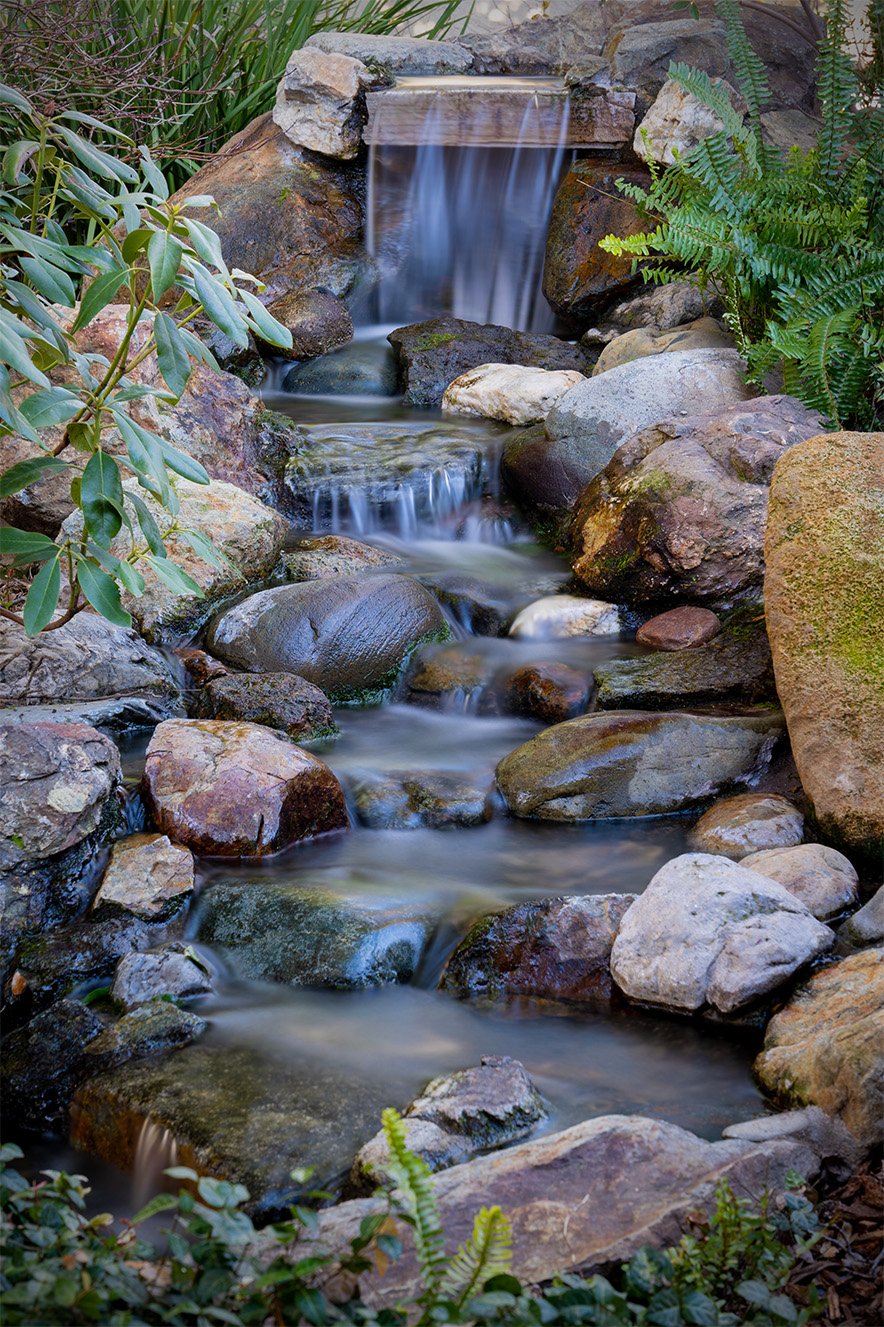
A natural rock waterfall about three feet high with two or three spillways
A 24‑inch sheer descent positioned 8–12 inches above the water surface
Either choice adds oxygen, beauty, and that unmistakable sense of tranquility that makes a koi pond feel complete.
Related Products
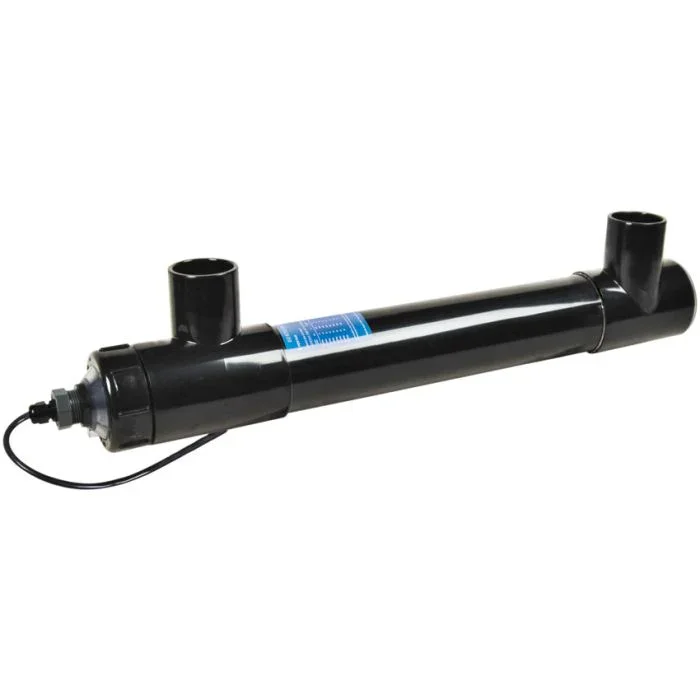
Standard Output UV Units

High Output UV Units
UV Replacement Lamps