
Pond Design Fundamentals
“I don’t need an autofill.
I’ll just top off the pond with a garden hose once a week”
What you need to know
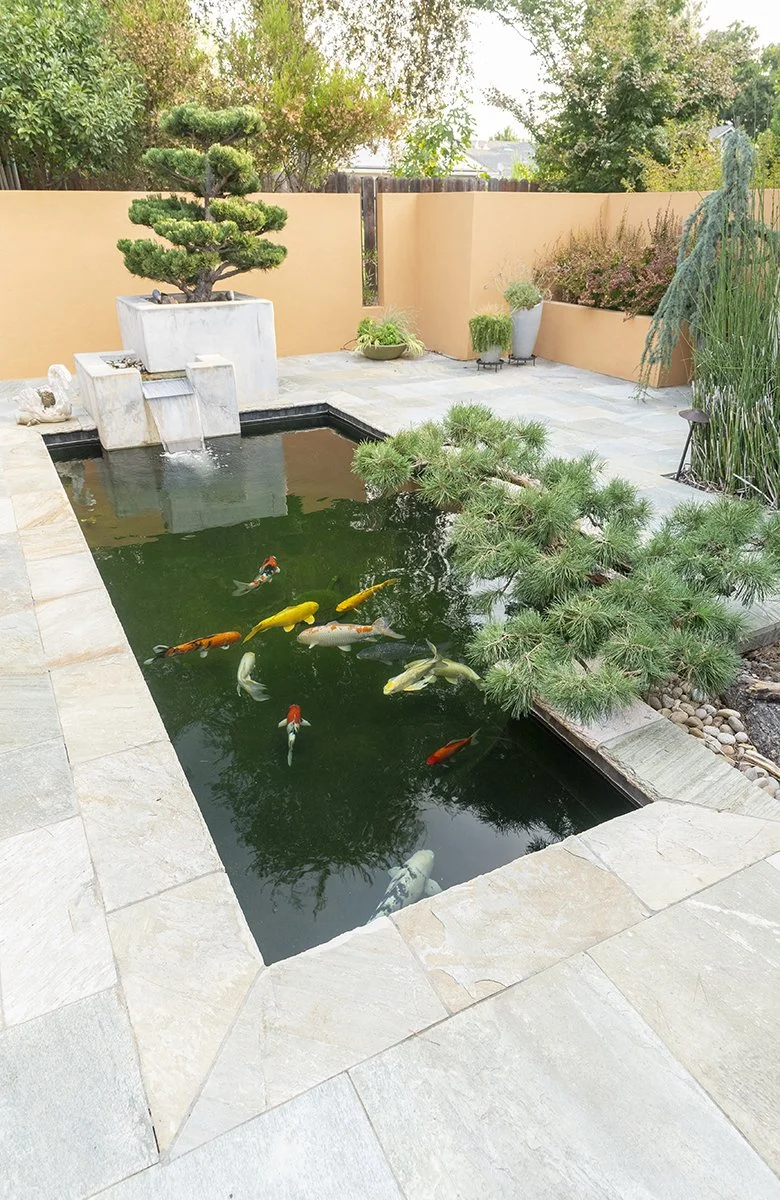
Topping off a pond with a garden hose seems easy enough… until the day you get distracted. It happens more often than people admit: the hose gets left running, the pond fills too high, and suddenly the koi are in real danger. Any time more than about 10% of the pond water is replaced with untreated city water, the chlorine can be lethal. That’s why so many heartbreaking stories start with, “I only meant to add a little water.”
Why an Autofill is a great idea
An autofill takes that risk off the table entirely. It adds water in tiny amounts, just enough to replace what evaporates or lost during backwashing, so the chlorine dissipates before it can harm your fish. And because it’s automatic, you never have to worry about forgetting the hose again. A good autofill also includes a built‑in overflow, which quietly handles two big problems: excess rainwater and the rare case of a valve sticking open. Instead of the pond spilling over — or worse, flooding your koi with chlorinated water — the extra simply drains away.
Once you have an autofill, pond maintenance becomes noticeably easier. Your water level stays perfect, your bead filter backwashes are automatically topped off, and you eliminate one of the biggest accidental risks to koi health.
If you’re looking for a small upgrade that makes a big difference, this is one of the best places to start.
Pro Tip
For most ponds, installing an autofill near an active water line is simple, and we generally recommend one unit for every 10,000 gallons.
Related Products
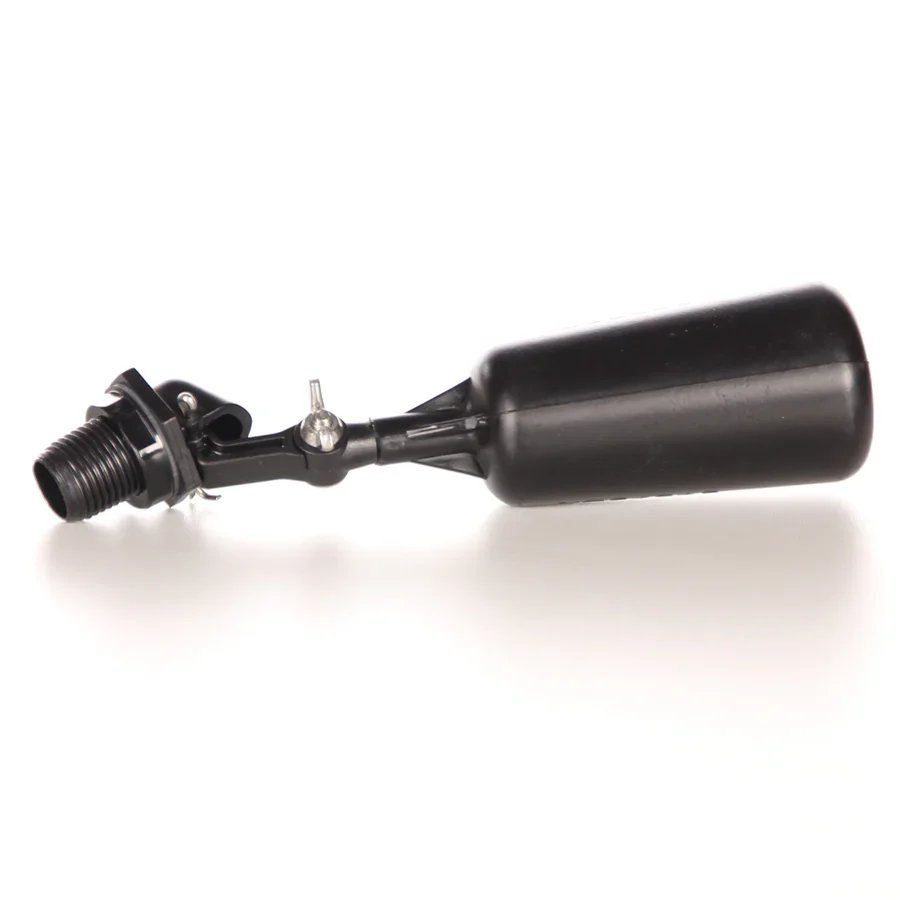
Internal AutoFill
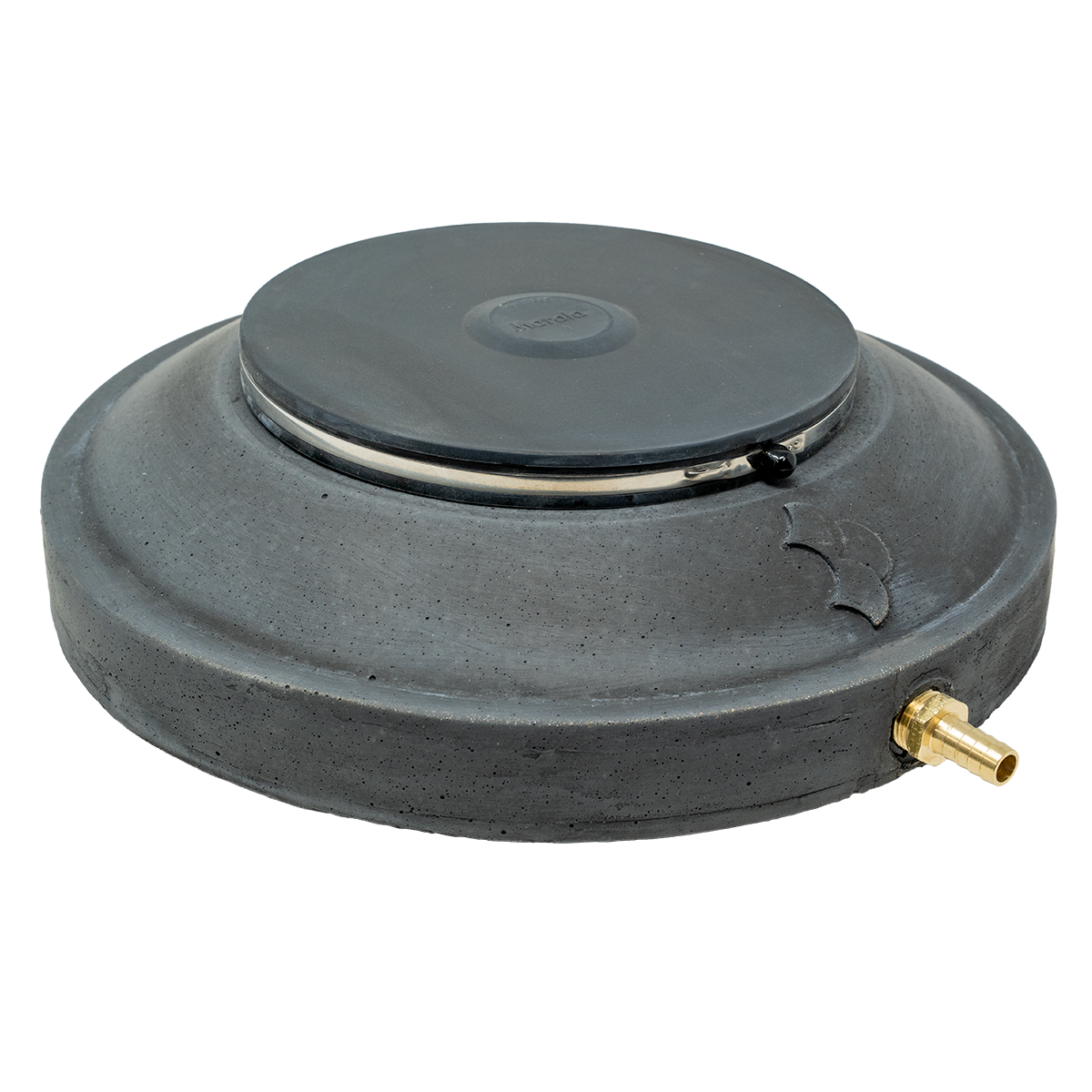
Air Drain Cover
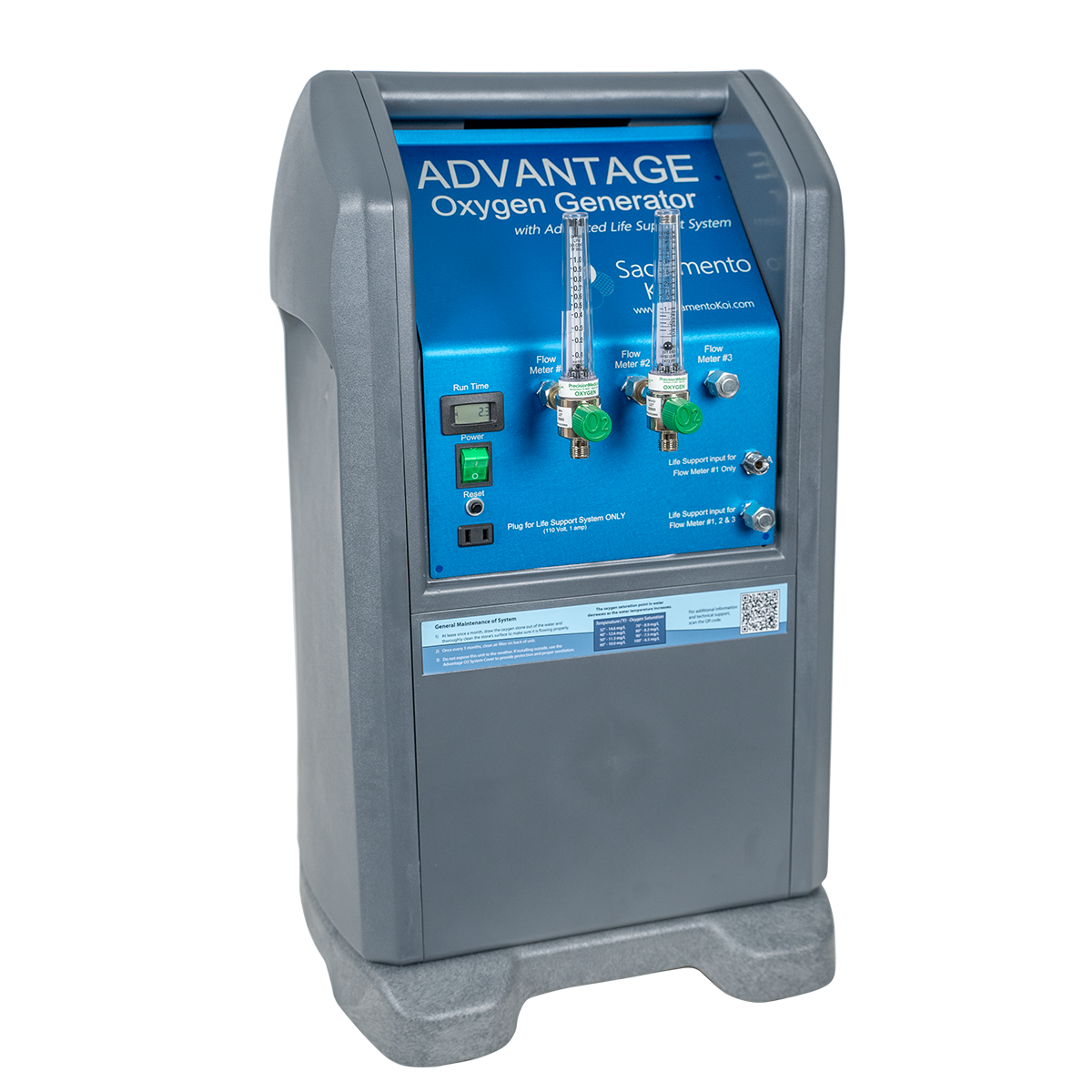
Oxygen Generator