
Pond Design Fundamentals
“A natural bottom koi with rocks and no bottom drain will be fine, because nature can take of itself”
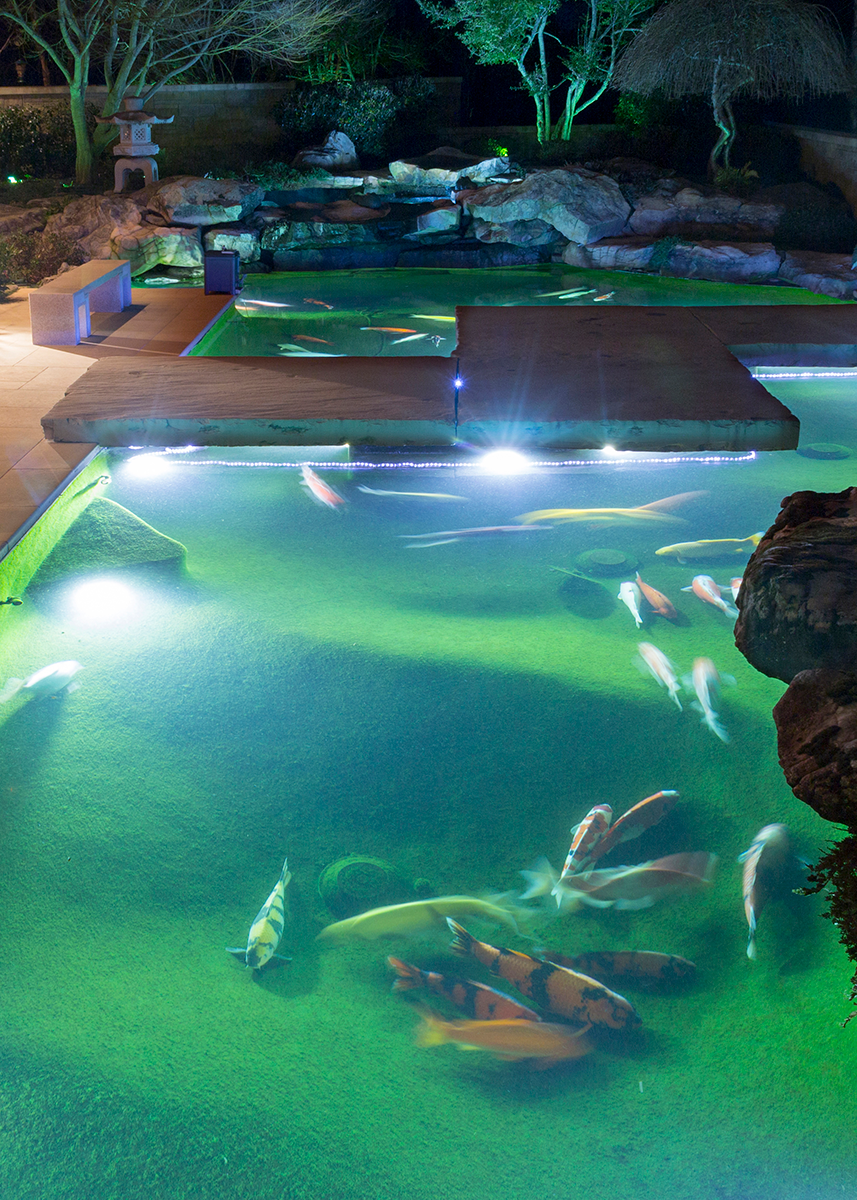
Why this doesn’t work
A lot of people start out thinking a natural‑bottom pond with rocks and no bottom drain will work just fine. After all, lakes and natural ponds don’t have plumbing, and nature seems to take care of itself. The difference is scale. A lake might have 30,000 gallons of water for every single fish. In a backyard koi pond, that number can drop to 150 gallons per fish — which means a lot more waste in a much smaller space. Without a bottom drain, that waste settles, breaks down, and slowly turns the pond into a maintenance headache.
And while a 2‑inch pipe might seem big enough for fish waste, koi ponds deal with much more than that. Leaves, seed pods, and other debris will eventually find their way to the bottom. That’s why a proper bottom drain line needs to be three inches in diameter — large enough to move debris efficiently without clogging, but not so large that water moves too slowly to carry anything to the filter.
A good pond also relies on both a bottom drain and a skimmer. These two lines work together as the suction sources for your pump. If the skimmer ever clogs — and they do — the bottom drain keeps the pond circulating so your pump doesn’t lose prime. It’s a built‑in safety net that protects your entire system.
Don’t forget the bottom drain
Bottom drains are one of the most overlooked features in pond construction, yet they’re absolutely essential. They remove the waste and debris that naturally settle on the floor of the pond. Without one, it’s a bit like having a toilet you can’t flush. For best performance, the pond floor should be contoured so debris naturally rolls toward each drain. A well‑shaped bottom can extend a drain’s effective reach to about seven feet in every direction. That means you can estimate how many drains you need by dividing your pond’s longest dimension by fourteen and rounding up.
A properly designed bottom‑drain system keeps your pond cleaner, your water healthier, and your maintenance dramatically easier — and it’s one of the smartest decisions you can make when building a koi pond.
Pro Tip
A pond that’s seven feet long and three feet wide only needs one bottom drain. Double that size to fourteen by seven, and you’ll need two drains with a gentle rise between them to guide debris into each “bowl.”

Oxygen Generator
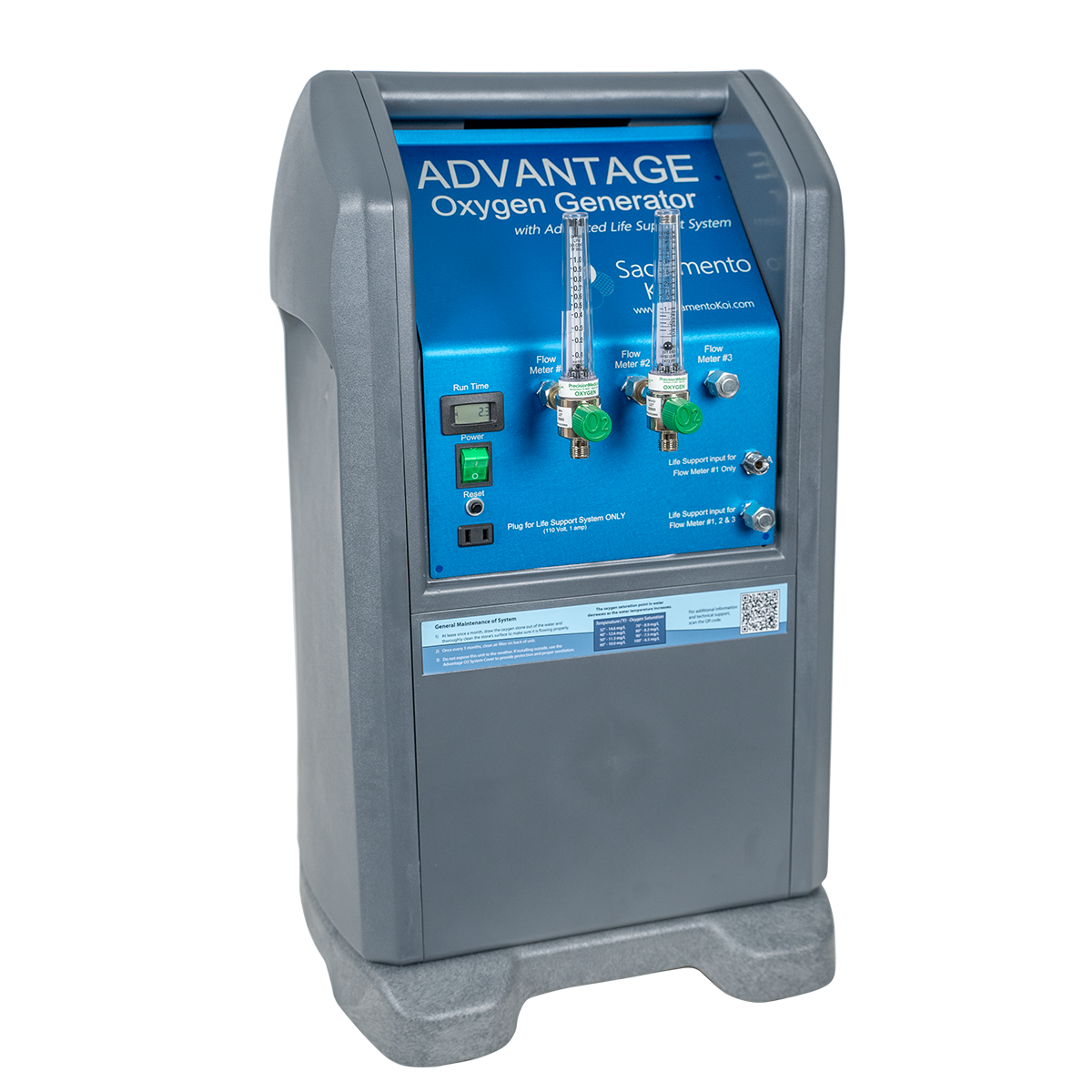
Related Products
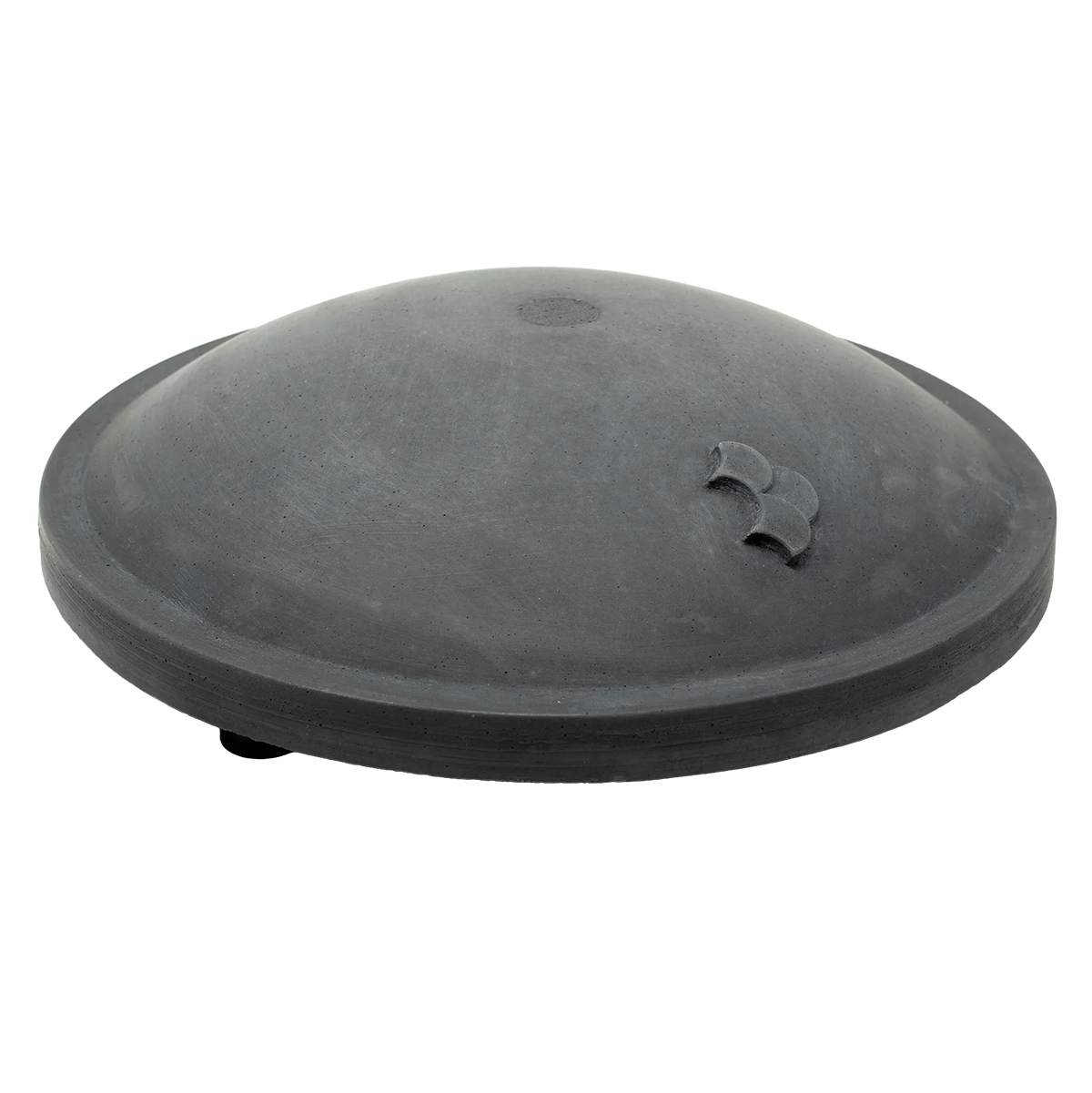
Drain Cover
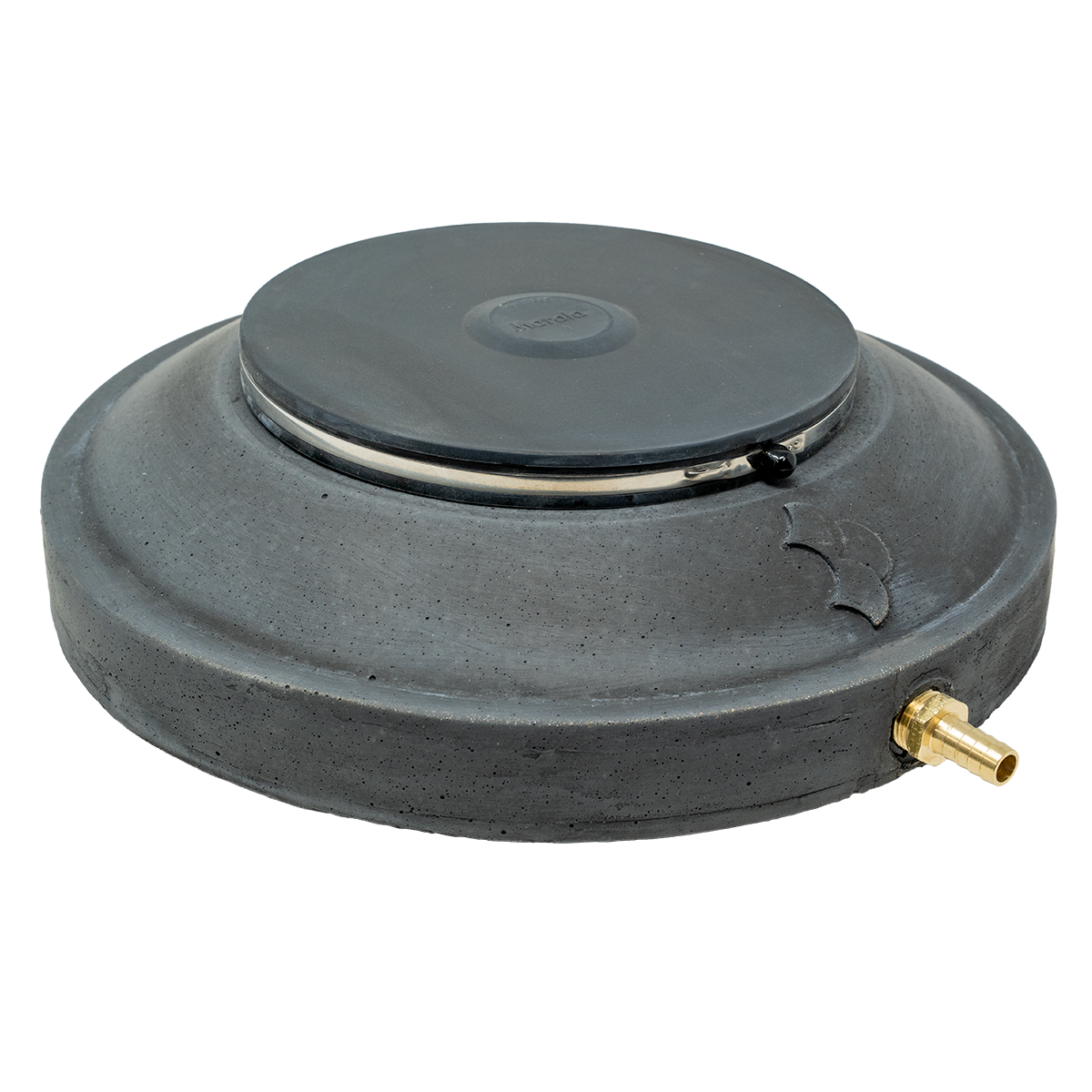
Air Drain Cover