
Pond Design Fundamentals
“Should I put rocks in my pond?”
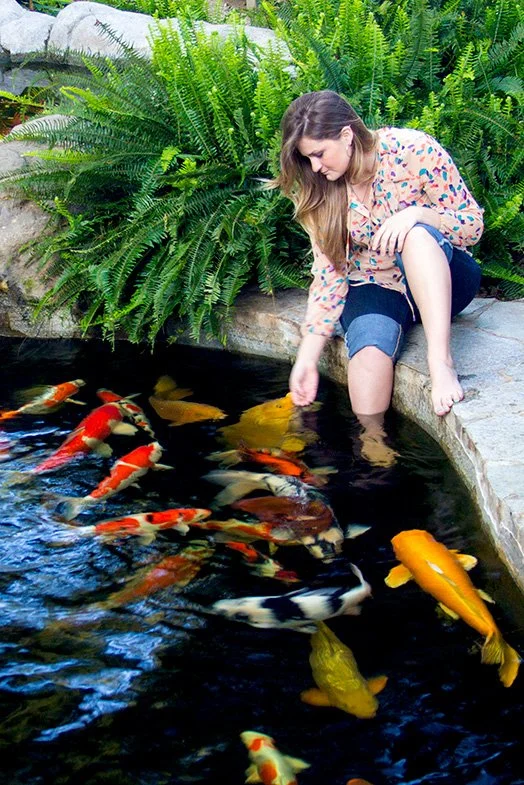
What You Need to Know
Putting rocks or gravel on the bottom of a koi pond is one of the most common mistakes new pond builders make. There’s no denying they look beautiful at first, but the problems start showing up quickly. Rocks trap fish waste before it can reach the bottom drain, so instead of being carried to the filter and removed, the waste settles between the stones and turns into a thick sludge. That sludge becomes a breeding ground for harmful bacteria and parasites, and the only way to get rid of it is to remove the koi, drain the pond, and physically clean out the rocks—a huge, messy job no one enjoys.
Rocks also trap leaves and other debris. As those leaves break down, they release tannic acid. It won’t hurt the koi, but it will turn the water a deep “root beer” color. Even a full water change won’t fix it for long; within a week or two, the color returns because the tannins are still trapped in the rocks. Just like with fish waste, the only real solution is draining the pond and washing everything out.
Best of Both Worlds
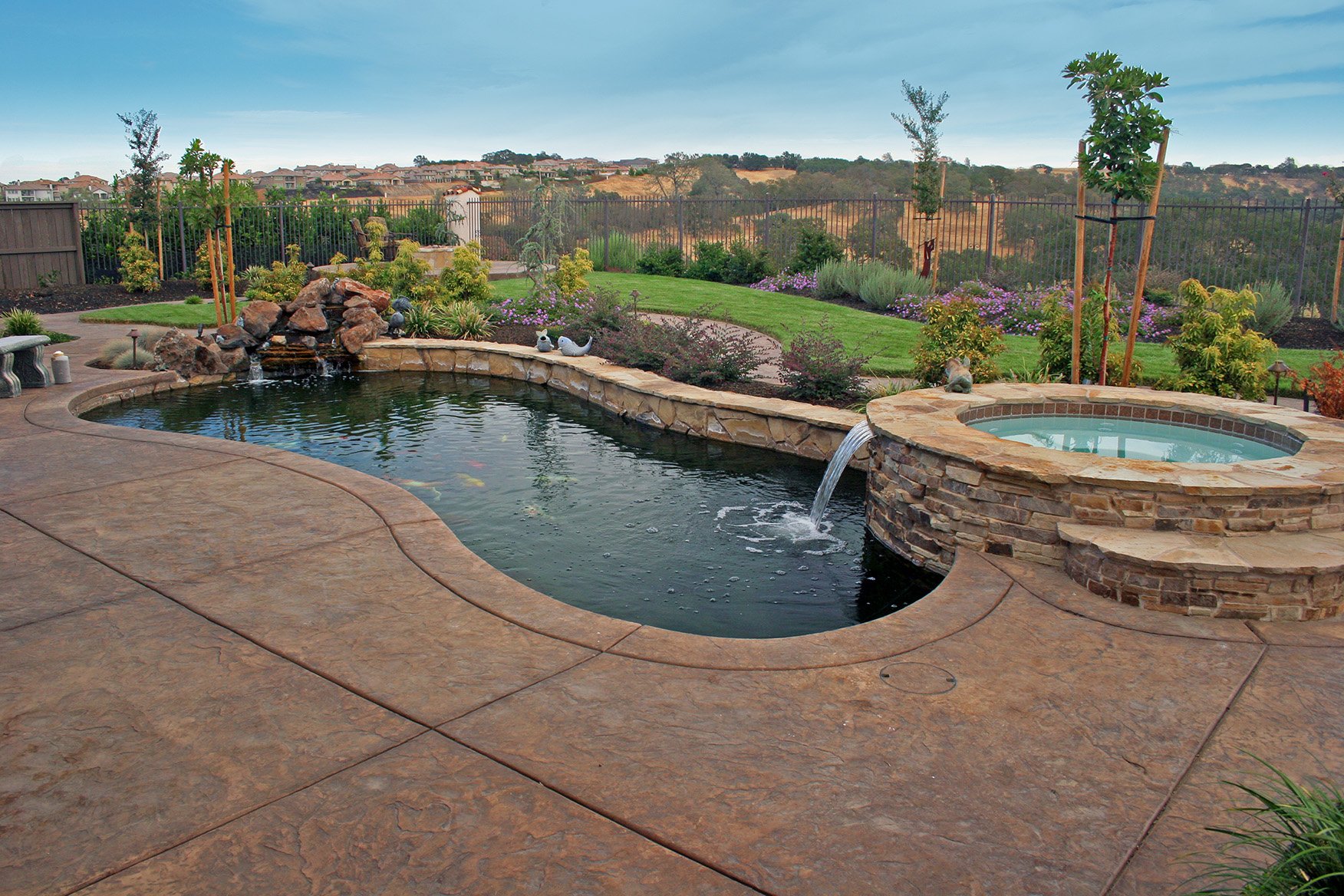
Fortunately, you can avoid all of these issues without giving up the natural look. By keeping the pond bottom smooth and free of rocks, and shaping it so everything slopes gently toward the bottom drain, you create a system that stays clean with minimal effort. Then, build a shallow shelf around the edges—about 12 to 18 inches below the surface—and place your rocks there. Once the pond is filled, the shelf creates the illusion that the rocks continue all the way to the bottom, while the actual floor stays clear, functional, and easy to maintain.
It’s the best of both worlds: the beauty of a natural-looking pond and the practicality of a design that keeps itself clean.
Oxygen Generator

Related Products
Custom Koi Pond Design

Light Niche