
Pond Design Fundamentals
“There are no trees around my pond, do I still need a skimmer?”
What You Need to Know
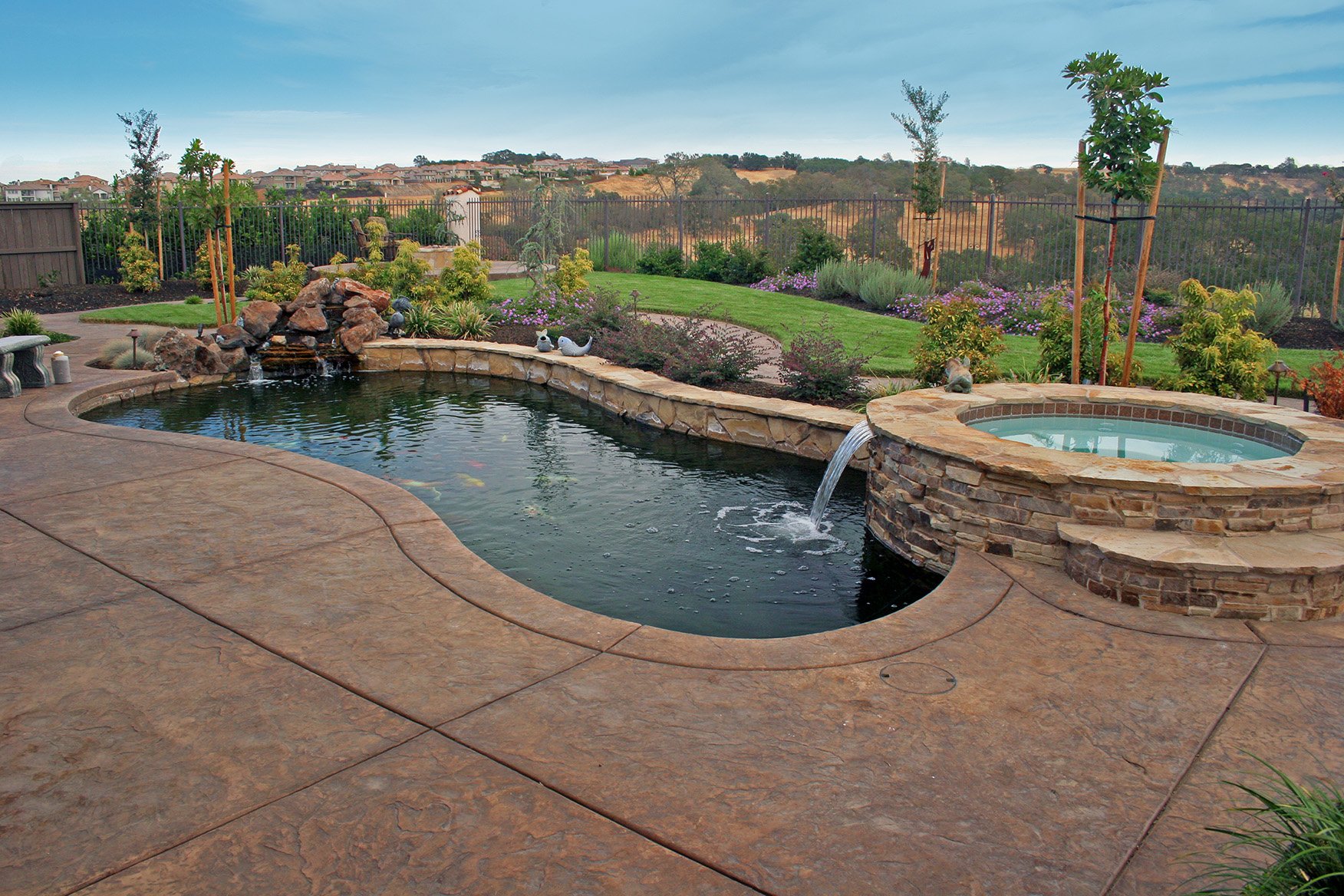
A lot of people think they can skip the skimmer because there aren’t any trees nearby or because the pond is indoors. But a skimmer does far more than collect leaves. It pulls in anything floating on the surface—dust, pollen, small debris, and especially the dissolved organic compounds (DOC) that create bubbles and that oily film you sometimes see on ponds. Even an indoor pond will develop DOC, and without a skimmer, that film just keeps building.
A skimmer also plays a critical role in keeping your system running safely. Every pond should have at least one bottom drain, and together the skimmer and bottom drain act as the suction lines for your pump. If the bottom drain ever clogs—and it happens—the skimmer becomes the backup line that keeps water circulating so your pump doesn’t lose prime. It’s a small piece of equipment that prevents a big problem.
Beyond the technical benefits, a skimmer simply makes pond ownership easier. Instead of constantly netting leaves and debris by hand, everything gets collected in a basket you can empty in seconds. For the cost, it’s one of the best returns on investment you can make in a pond.
Pro Tip
For the best performance, place the skimmer somewhere easy to access so you can quickly dump the basket or rinse it out. Positioning it opposite a waterfall or sheer descent helps the natural flow of water carry debris straight into the skimmer. As a general guideline, one skimmer per 10,000 gallons works well.
A good skimmer keeps the surface clean, protects your pump, and saves you a lot of daily maintenance—no matter where your pond is built.
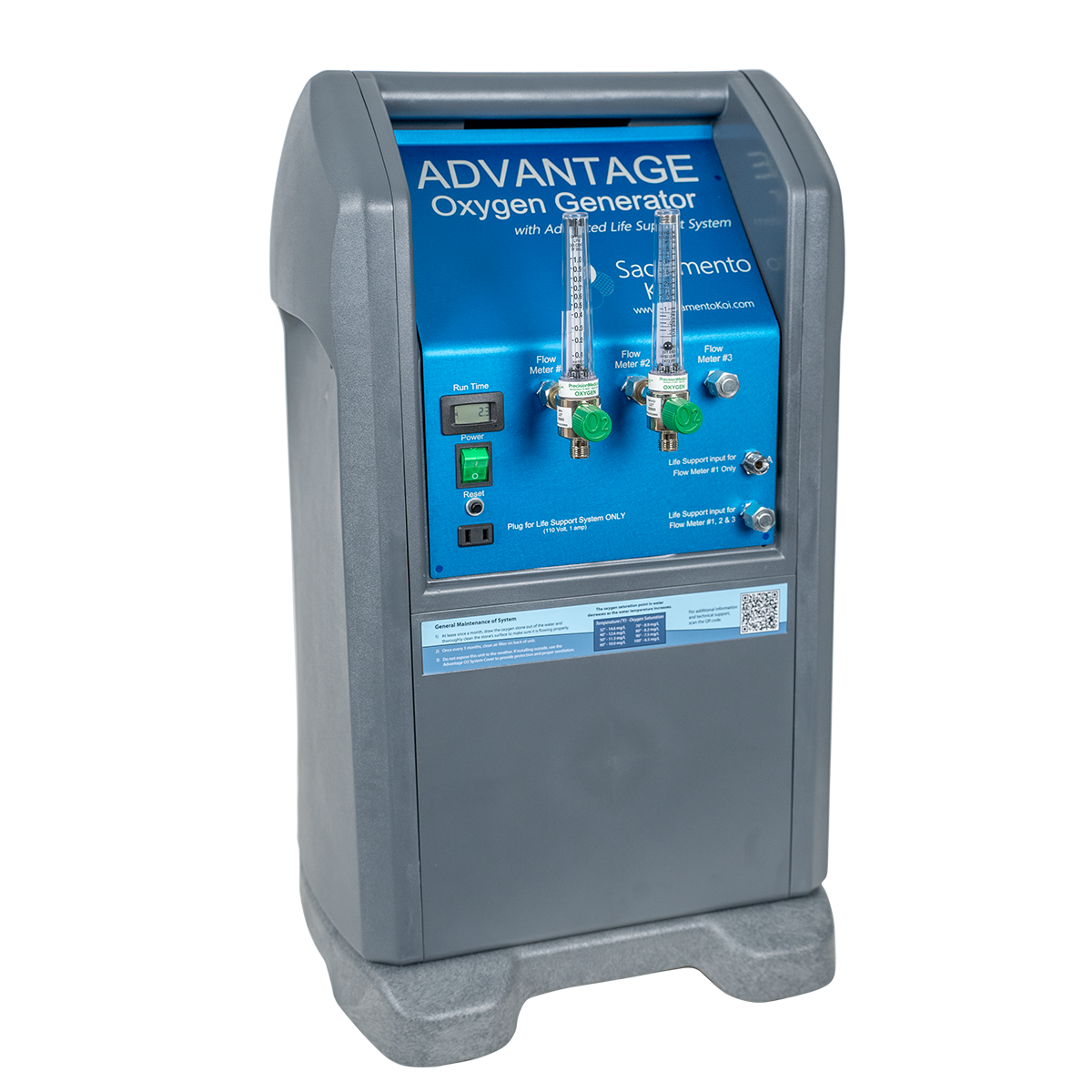
Oxygen Generator
Related Products
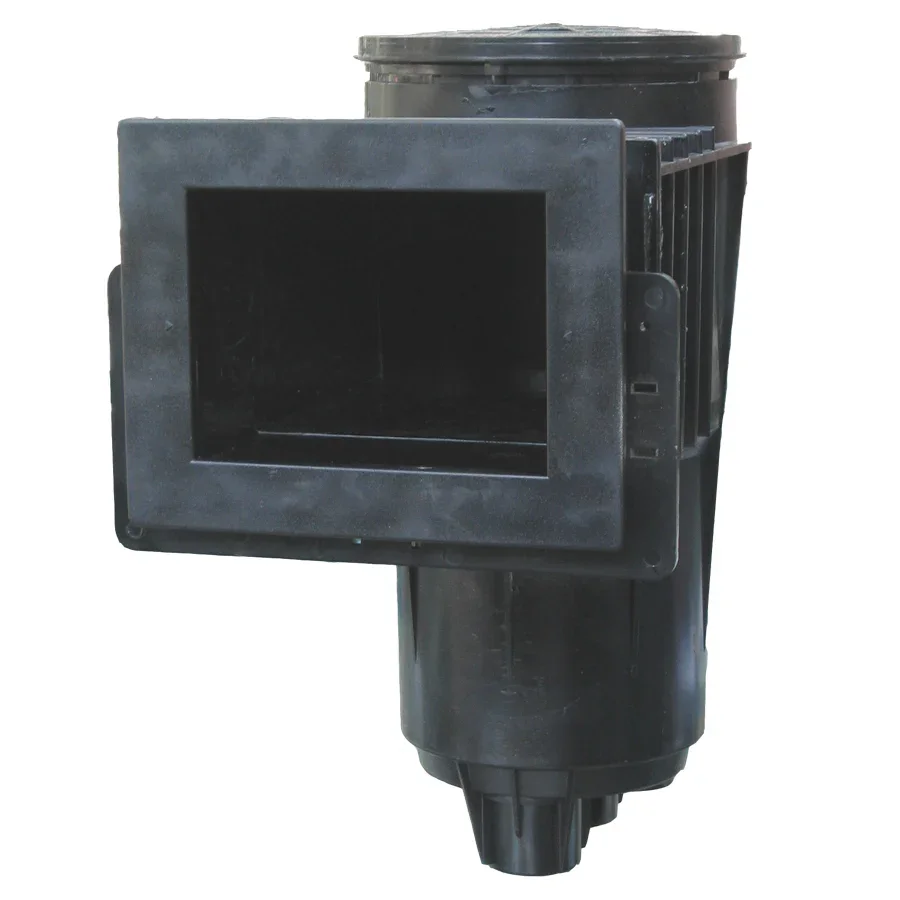
In wall Skimmer
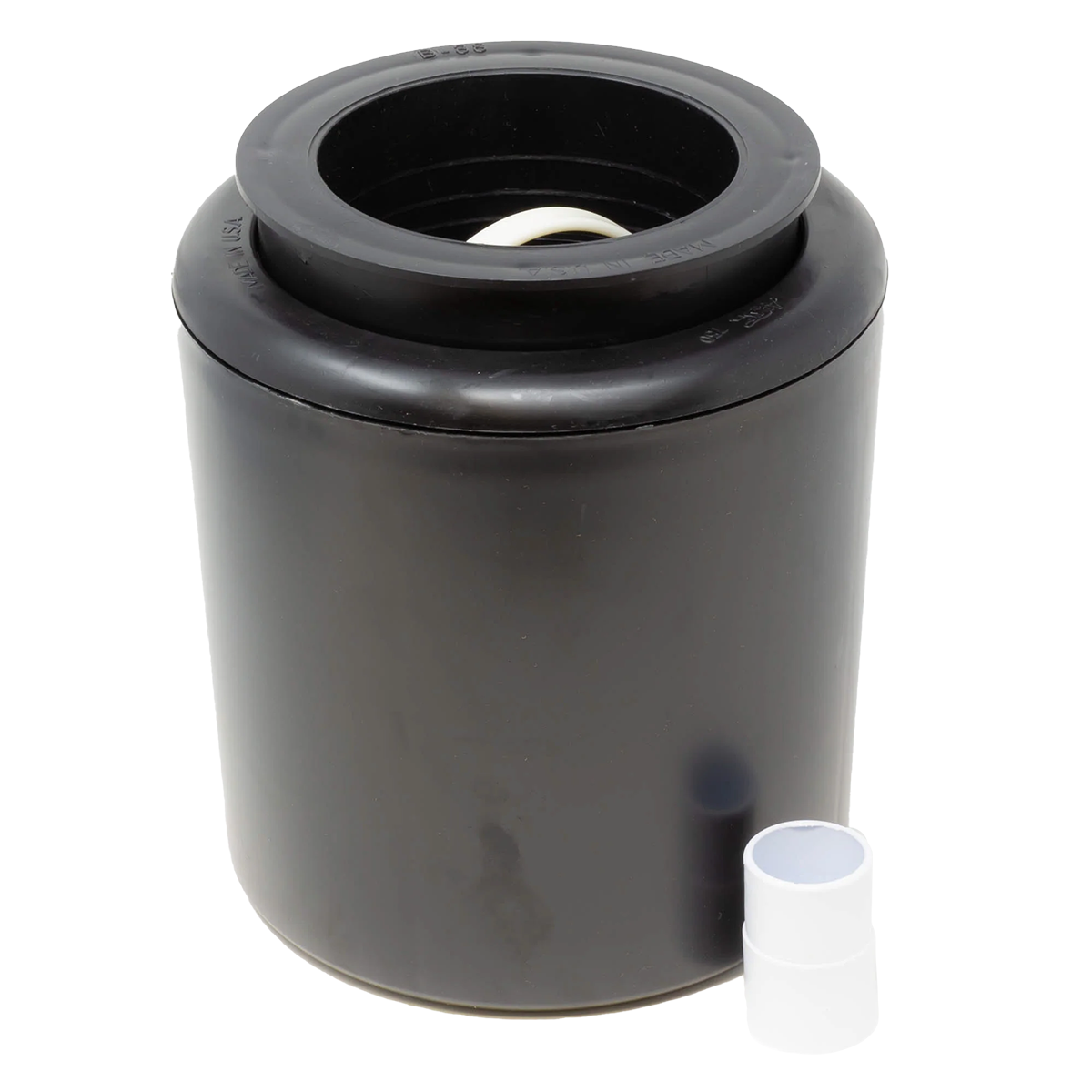
Retrofit Skimmer